Substance Abuse Rehabilitation: Paths to Recovery and Recuperation
Chemical abuse rehabilitation plays a crucial function in assisting people get over the struggles of addiction and restore their lives. Whether a person is fighting alcohol reliance, medication addiction, or prescription abuse, recovery facilities offer a structured setting for recovery-- physically, emotionally, and mentally. In today's globe, where the obstacles of dependency are prevalent, recognizing what rehab requires, its importance, and the kinds of solutions offered can make a considerable difference in one's trip to healing.
Comprehending Substance Abuse and the Need for Rehabilitation
Drug abuse influences millions of individuals worldwide, cutting across age, gender, and socioeconomic lines. It is a complicated problem defined by the compulsive usage of damaging materials in spite of unfavorable repercussions. Alcohol and drugs can alter mind chemistry, bring about physical reliance and mental illness. With time, dependency takes control of a person's ability, judgment, and habits to work usually in culture. Numerous people who come under this cycle usually discover it difficult to stop without professional help.
Recovery ends up being important since addiction is not just a lack of self-discipline-- it's a condition that affects the body and mind. Rehabilitation facilities offer evidence-based treatments that target the root triggers important Abuse as opposed to just the signs and symptoms. These programs use organized settings that encourage recuperation through clinical detoxification, therapy, and skill-building. The supreme objective is to aid people develop dealing mechanisms and lead drug-free, productive lives.
When an individual can no longer handle everyday responsibilities or preserve relationships due to Substance usage, the need for rehabilitation often occurs. Family members conflicts, job performance issues, or health and wellness difficulties are often the first signs that expert assistance is needed. By seeking treatment early, people can avoid lasting damage to their physical wellness and psychological well-being.
The Relevance of Substance Abuse Recovery
Rehabilitation is not simply concerning quitting drugs or alcohol-- it has to do with improvement. The significance of rehab lies in its holistic approach to healing, focusing on the person all at once as opposed to just the dependency. Several people get in rehabilitation at their lowest factor, commonly really feeling hopeless and separated. The organized atmosphere of a rehab center gives them with the tools and assistance to uncover function and self-respect.
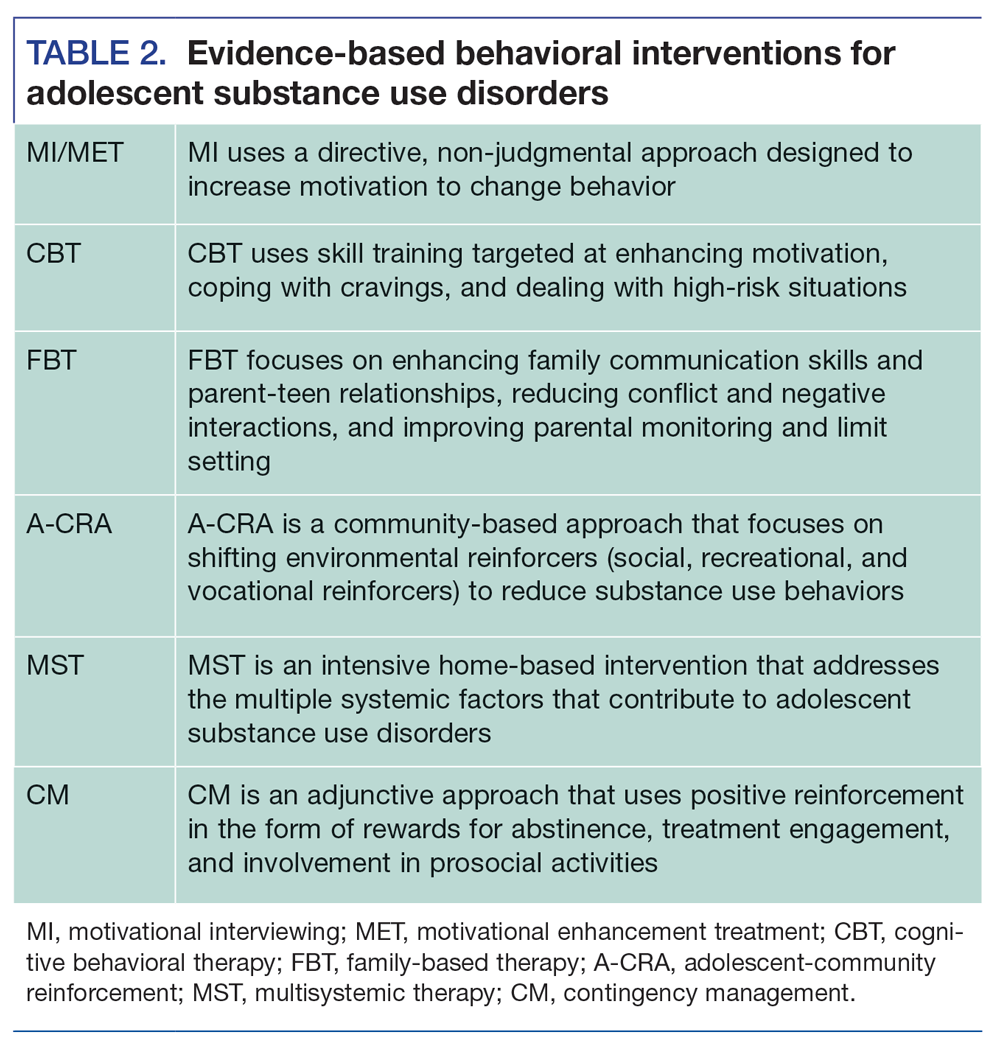
Among the key advantages of rehab is the medical supervision supplied during detoxing. Withdrawal signs and symptoms can be extreme and, in some instances, life-threatening. Specialists check the process, making certain security and convenience while reducing the dangers of regression. Past physical healing, rehab likewise resolves the psychological elements of addiction via therapy and therapy. Cognitive-behavioral treatment (CBT), motivational interviewing, and team sessions aid people understand their triggers and find out healthy and balanced coping devices.
Rehabilitation offers long-term benefits that extend past the person. Families restore stability, partnerships are repaired, and communities profit when people rehabilitate as healthy and balanced, contributing members. Substance Abuse not just harms the person entailed yet also influences loved ones. Recovery helps damage this cycle, promoting healthier atmospheres for everybody involved. In essence, rehab is an investment in life, health and wellness, and the future.
Provider Offered basically Abuse Rehabilitation Centers
Recovery facilities use a large range of solutions customized to the distinct needs of each patient. The goal is to create a tailored treatment strategy that attends to physical, psychological, and social elements of healing. The first stage of most programs is clinical detoxification, where the body is cleaned of harmful materials under professional supervision. Detoxification helps handle withdrawal signs and symptoms securely, leading the way for additional healing treatments.
Complying with detox, patients usually relocate into therapy and counseling sessions, which develop the core of addiction therapy. Private treatment enables customers to work individually with accredited specialists to uncover underlying issues, such as injury or mental health problems that may have added to dependency. Team therapy, on the various other hand, promotes peer assistance and accountability. Sharing experiences with others who have faced comparable battles assists individuals really feel comprehended and motivated.
Kinds Of Rehabilitation Programs Available
Not all rehab programs are the same. Depending upon the severity of dependency, individual preferences, and life circumstances, individuals can choose from several sorts of rehabilitation programs. The most common are inpatient, outpatient, and household treatment programs. Each deals distinct benefits created to satisfy various degrees of treatment.
Inpatient rehabilitation programs call for individuals to remain at the therapy center full-time, usually for 30, 60, or 90 days. This atmosphere gives round-the-clock medical and psychological assistance, getting rid of distractions and temptations from day-to-day life. Inpatient treatment is ideal for those with extreme addictions or co-occurring psychological health disorders, as it makes certain detailed guidance and extensive treatment.
Outpatient rehab programs use more adaptability for individuals who can not dedicate to full-time therapy. Individuals participate in therapy sessions a number of times a week while continuing to live in your home or preserve work obligations. Outpatient treatment is ideal matched for those with moderate to modest addictions or for those transitioning Source from inpatient treatment. It enables individuals to apply coping methods in real-world settings while still obtaining expert support.
There are additionally specialized rehab programs that accommodate particular teams, such as women, experts, or teenagers. Some facilities integrate faith-based techniques, while others concentrate on alternative healing that incorporates physical wellness and mindfulness methods (addiction treatment). Furthermore, luxury rehab centers give high-end features and exclusive accommodations for those seeking convenience along with treatment. Regardless of kind, the key goal remains the exact same-- to direct individuals toward sustained healing
Usual Reasons People Need Rehab
Dependency does not happen overnight, neither does it have a Inpatient rehab single cause. Individuals look for rehab for different factors, typically linked to both individual and ecological factors. One of one of the most typical reasons is chronic stress and injury. Individuals that have experienced physical or psychological injury often transform to materials as a coping mechanism. Over time, this behavior ends up being habitual, resulting in dependency. Rehabilitation aids these individuals procedure unsettled discomfort with treatment and psychological assistance.
An additional substantial factor is mental health disorders, such as depression, anxiousness, or bipolar affective disorder. When mental disease goes unattended, people might self-medicate utilizing drugs or alcohol to leave their emotional distress. This dual-diagnosis scenario requires specialized therapy that attends to both addiction and mental health at the same time. Rehabilitation facilities geared up with psychological care can aid maintain these problems with medication management and therapy.
Public opinion and environmental impact also play a significant duty basically Abuse. Peer stress, household dysfunction, or exposure to addictive substances from a young age can make people a lot more at risk to dependency. For some, dependency starts innocently-- with prescription drug complying with an injury or surgical treatment-- however intensifies right into abuse. Rehabilitation offers a risk-free and organized path to break without these cycles. It encourages individuals to recognize triggers, develop much healthier habits, and re-establish control over their lives.
The Trip of Recovery and Life After Rehab
Recovery doesn't finish the day an individual completes a rehabilitation program-- it's a long-lasting procedure of growth and self-discovery. Life after rehabilitation includes obstacles, but likewise possibilities for renewal. Numerous individuals explain it as a "second possibility" to deal with function, gratefulness, and clearness. The lessons learned throughout therapy, such as self-discipline, emotional recognition, and durability, become the foundation for a fulfilling life without addiction.
After leaving rehabilitation, people are motivated to take part in aftercare programs and assistance networks. Regular presence in team conferences or treatment sessions aids preserve liability and stops relapse. Sober living settings can additionally provide transitional real estate for those who need extra structure before fully reintegrating right into society - addiction treatment. Keeping a solid support group of household, buddies, and peers is important for long-lasting success
Recovery opens up the door to individual growth. Many individuals go after education, brand-new jobs, or volunteer work as component of their healing trip. They find out to manage tension through healthy electrical outlets such as exercise, meditation, or imaginative leisure activities. While relapses can occur, they are seen not as failings however as opportunities to enhance one's dedication to sobriety. Eventually, Substance Abuse rehab acts as the structure for a life of function, equilibrium, and liberty.

Conclusion: Choosing Hope and Recovery
Drug abuse rehab stands for more than a therapy-- it represents hope. It is a bridge between despair and renewal, supplying people the chance to recover their lives from addiction's grip. With expert care, structured treatment, and caring assistance, individuals can find their strength and function. Recognizing the services provided, the types of rehab available, the relevance of rehab, and the factors people need it gives clearness for those looking for assistance or sustaining loved ones on their journey.
Picking rehabilitation is not a sign of weak point yet of guts-- the nerve to confront pain, rebuild identity, and welcome a brighter future. Healing is possible, and with the right guidance, every step towards healing brings an individual more detailed to lasting liberty and peace.
Substance Abuse rehabilitation plays an important role in assisting people overcome the battles of dependency and rebuild their lives. The requirement for rehabilitation commonly occurs when an individual can no much longer take care of everyday duties or preserve partnerships due to Substance use. Inpatient rehab programs call for people to remain at the treatment facility permanent, usually for 30, 60, or 90 days. Outpatient rehabilitation programs use even more versatility for individuals that can not commit to full time therapy. After leaving rehab, people important link are urged to take part in aftercare programs and assistance networks.